Drywall is a cheap material and a labor-heavy job, which means the right tools pay for themselves within one room. It also means the aisle is full of things you do not need. This list separates what genuinely changes the outcome from what is optional, and calls out the two items worth renting rather than buying.
Measuring and cutting
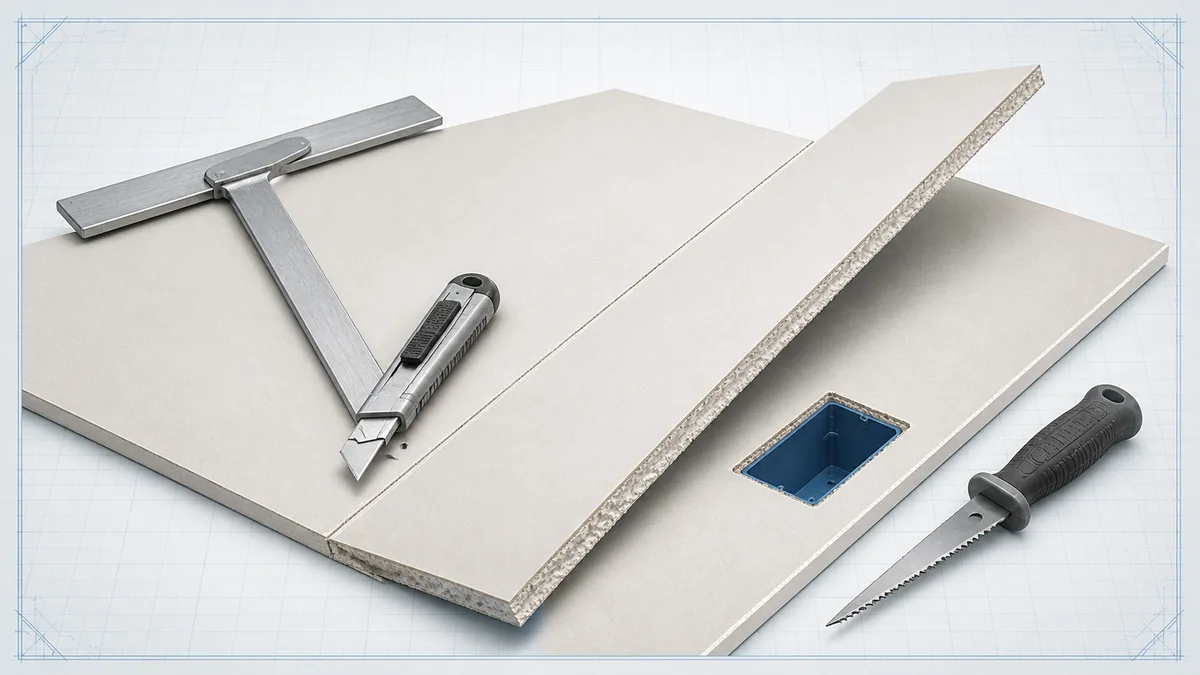
- Utility knife plus a generous supply of blades. A dull blade tears paper, and blades are the cheapest quality upgrade in the whole job.
- Drywall T-square, 48 in. Squares your cuts to the sheet edge and doubles as your cutting guide. Hard to work without once you have used one.
- Tape measure and a pencil, plus a chalk line for long cuts.
- Jab saw for outlet boxes and awkward openings.
- Rasp for dressing cut edges so sheets sit tight.
- Stud finder. Cheap, and it saves both missed screws and drilled cables.
A drywall router is genuinely faster for cutting boxes in place, but only pays off from several rooms upward. For one room, a jab saw and careful measuring gets there.
Hanging and lifting
- Screw gun with a depth-setting nose, or a drill with a dialed-in clutch and a dimpler bit. Depth control is the point, not power.
- Drywall screws in the right length and thread: 1-1/4 in coarse for half inch board on wood, 1-5/8 in for five eighths.
- Foot lifter or a couple of shims to lever bottom sheets up tight.
- Drywall lift for ceilings. Rent it. Typically $40 to $60 a day, and it turns a two person struggle into one person doing better work.
- Sheet carrier handle if you are moving board any distance alone.
- Corner bead and tin snips for outside corners.
The lift is the single highest-value rental in drywall work. If you are boarding even one ceiling, hire it. The results at the seams are visibly better than anything achieved by holding sheets up with your head.
Taping and finishing
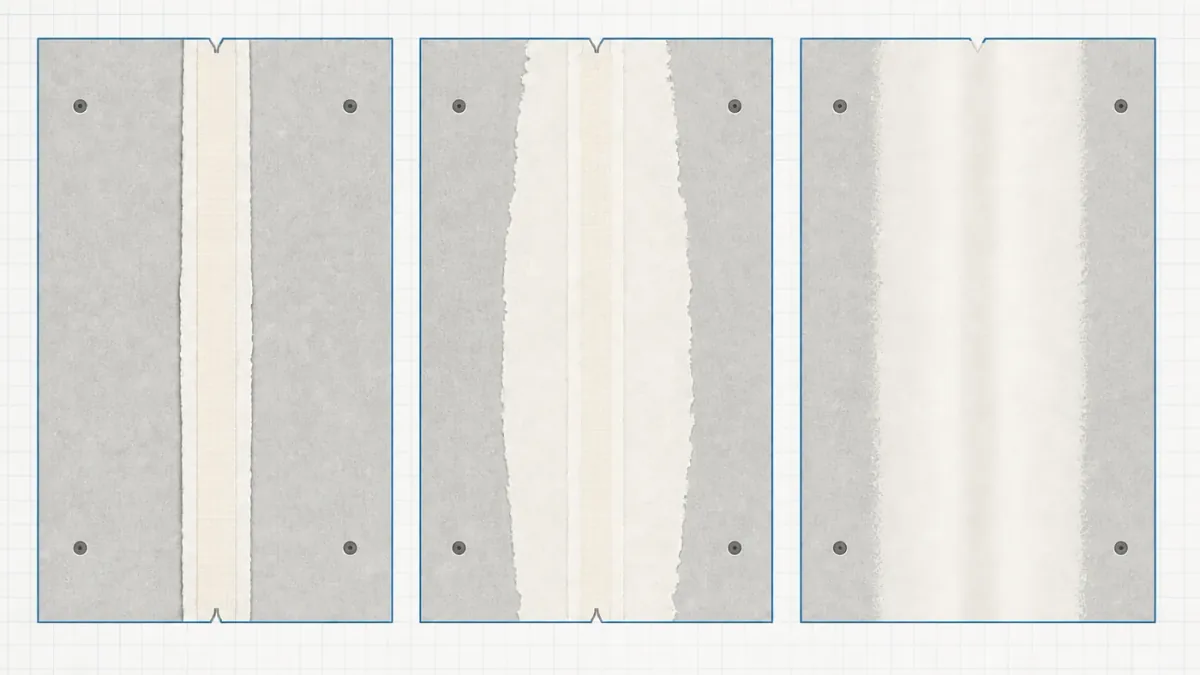
- Taping knives in three widths: 5 or 6 in for the tape coat, 8 to 10 in for the fill coat, 10 to 12 in for the finish coat. This progression is not optional; it is how joints get feathered.
- Mud pan or a hawk. A pan keeps compound workable and your knife loaded cleanly.
- Paper joint tape for flat joints and inside corners, with mesh on hand for patches.
- Inside corner knife. Optional, but it makes corners far easier for a first-timer.
- Joint compound: setting-type powder for the tape coat, lightweight all-purpose for the finish coats.
- Pole sander plus sanding sponges in 120 to 150 grit, or a wet sanding sponge for dust-free work in an occupied house.
- A work light you can hold flat against the wall. Raking light shows the defects that paint will reveal later.
Automatic taping tools, banjos and boxes are for people doing this weekly. On a single project they add cost and a learning curve without improving the result.
Safety and cleanup
- Fitted N95 or P2 respirator for all sawing, routing and sanding. Gypsum dust is a respiratory irritant, and some products contain silica.
- Eye protection, especially for any overhead work.
- Knee pads and gloves. Board edges are abrasive and compound dries out skin badly.
- Plastic sheeting and painter tape to seal doorways. Drywall dust travels through a whole house otherwise.
- Shop vacuum with a fine dust filter, not a household vacuum. Fine gypsum dust destroys ordinary filters.
- A dust extractor attachment for the sander if you are working in a finished house.
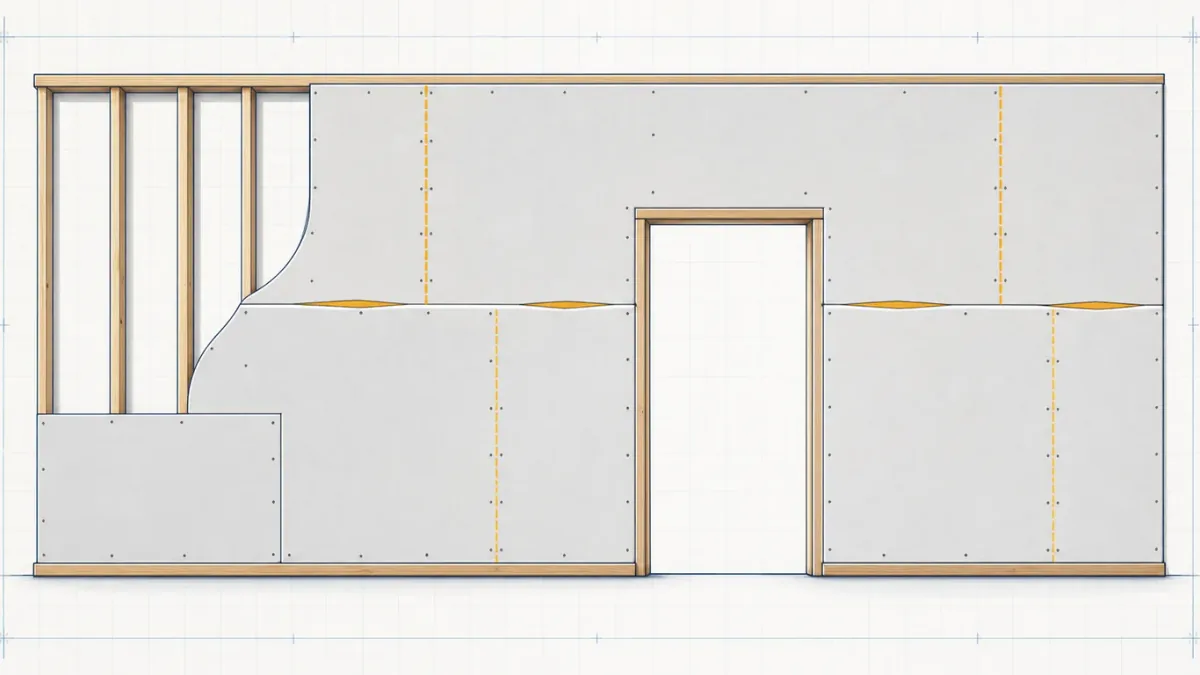
One planning note that belongs on a tool list: know your sheet count before the delivery arrives. Whether you need 9 sheets or 28 changes whether the board fits in the room, whether you need a delivery to the door, and whether the lift rental is one day or three.
Drywall Calculator
Know your sheet count before the delivery and the lift rental.
Frequently asked questions
Primary references
Manufacturer and industry guidance used to check this article.
Product instructions, tested assemblies and local code take priority over general guidance.